Note-Taking I: Habit & Mindfulness
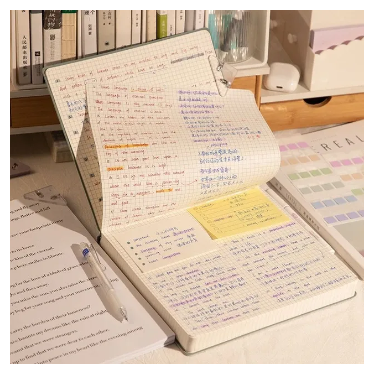
Living without a fixed schedule and remaining constantly accessible for both work and personal demands takes a high toll on the body and elevates stress levels. Memory and stress rarely coexist well. While some people realize early on that writing helps offset this cognitive burden, others are forced to pick up the habit while already overwhelmed.
Research shows that simply putting thoughts into words — even if you never revisit them — aids in memory retention and lowers stress. Writing is a foundational practice.
Since 1994, I have been refining my note-taking system and how I process information. While some of that insight came from formal training, most was acquired through books and direct trial and error. My goal in sharing this experience isn't to claim expertise, but to help others reduce mistakes and shorten their learning curve.
Based on that trajectory, my primary recommendation is to invest time in understanding how your brain works, how you learn best, and how to read your body's signals. Note-taking can help identify when you are tired or stressed, providing the space needed to calm your mind and process what you feel.
I am a strong advocate of the quantified self approach — tracking internal metrics like sleep quality, heart rate, and stress levels to understand how they impact daily performance and learning ability.
A practical starting point is writing about these low-pressure topics: journaling, reflecting on prompt questions, or meditating. Here (Reddit) (Template - full journaling questions) and here (Reddit) (Template - Planejamento Pessoal - DiarioJournal), I shared a set of questions to help initiate this process. Starting with personal reflections builds a consistent writing habit before applying note-taking to higher-stakes areas of life.
When journaling, be honest with yourself and consider writing in the second person. Addressing yourself as “you” creates enough distance to evaluate your thoughts objectively while remaining direct and intimate. I avoid the third person because it transforms self-reflection into storytelling; a journal should foster active thinking rather than narrative entertainment.
Once writing daily becomes a habit (see Why taking notes is important), note-taking becomes effortless. Focus on consistency rather than length; even a few words a day build momentum.
You can use prompts or skip them entirely. My daily note template balances directed prompts with open-ended sections, offering flexibility based on daily needs. Frequently, the simple act of writing initiates subtle mindset shifts that compound over time, even if you never read the note again.
Apply the same approach to learning: capture small concepts daily and refine them over the weekend rather than trying to build a comprehensive encyclopedia in one sitting (Taking class notes, Taking notes about books).
The earlier you begin observing your patterns, the greater the yield from note-taking. Capture raw thoughts as they arise without worrying about filing, tagging, or categorizing immediately. Everything can be organized, edited, or pruned later during a review. Start small, focus on the habit, and let the system evolve naturally.